
Call Now
Call Now
Sep 2025
Did you know Rajasthan attracts over 50 million domestic and international tourists every year?
Heritage tourism makes up a significant share of this number, with palaces and forts being the biggest draw. Many travelers, however, often feel overwhelmed by the sheer variety of royal palaces scattered across the state. Choosing the right ones to visit within a limited time can feel like an impossible task.
This blog will help you narrow down the choices by highlighting the top 10 royal palaces in Rajasthan. Each of these architectural marvels carries its own unique story, reflecting the grandeur of Rajput kings and their dynasties. Whether you’re a history enthusiast, a culture explorer, or simply someone seeking unforgettable travel experiences, this guide will show you the palaces you can’t afford to miss.
Rajasthan is home to some of India’s most iconic palaces, blending history, architecture, and royalty.
Each palace has a unique identity. Some are museums, some luxury hotels, while others remain royal residences.
Travelers should balance their itinerary between famous palaces like the City Palace in Jaipur and hidden gems like Deogarh Mahal.
Visiting these palaces provides not just sightseeing but also cultural immersion through art, architecture, and stories.
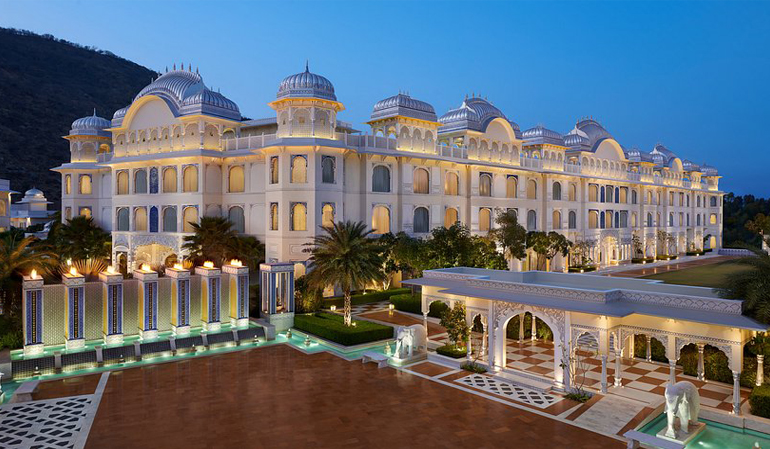
Standing at the center of Jaipur, the City Palace is a blend of Rajput and Mughal architecture. Built in the 18th century by Maharaja Sawai Jai Singh II, it remains one of Rajasthan’s most visited palaces. Its courtyards, museums, and gateways tell stories of Jaipur’s royal heritage.
The highlights of City Palace include:
Architectural Splendor: Fusion of Rajput and Mughal design. The palace’s Peacock Gate and Chandra Mahal reflect intricate craftsmanship and stunning artistry.
Museum Collections: A treasure of royal artifacts. Costumes, weaponry, and paintings showcase centuries of Rajput history.
Royal Residence: Home to the Jaipur royals. Part of the palace is still occupied by the descendants of the royal family.
City Palace is an excellent introduction to Rajasthan’s palace culture. From here, travelers can venture to Udaipur for another breathtaking gem, the City Palace on Lake Pichola.
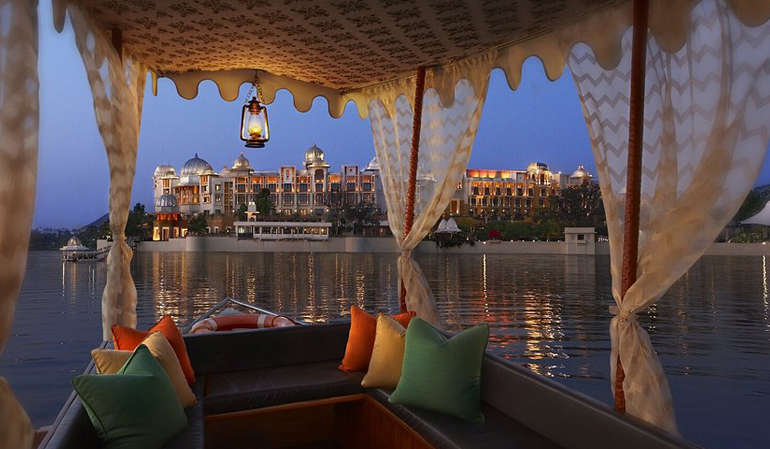
Overlooking the shimmering waters of Lake Pichola, Udaipur’s City Palace is one of the largest in Rajasthan. Built over 400 years by successive rulers, it reflects layers of history within its walls. The palace complex includes courtyards, balconies, and gardens that enchant every visitor.
Key highlights of City Palace Udaipur include:
Lake Views: Unmatched beauty of Pichola. The balconies and terraces provide panoramic views of Udaipur’s famous lake and surrounding hills.
Cultural Exhibits: A glimpse into royal lifestyles. The palace museum displays artifacts, murals, and silverwork.
Architectural Scale: A complex built over centuries. Multiple structures showcase styles ranging from medieval to modern.
The Udaipur City Palace is the heart of Rajasthan’s romantic city. Travelers often follow their visit here with a stop at Jodhpur’s grand Umaid Bhawan Palace.
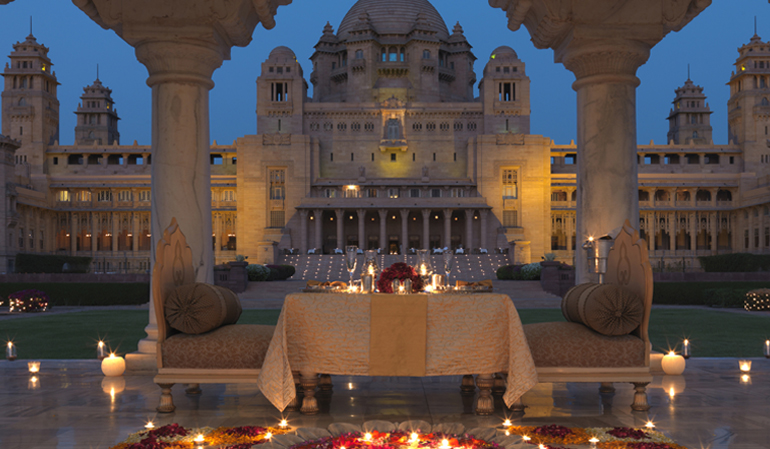
Completed in 1943, Umaid Bhawan Palace is one of the last great palaces built in India. Commissioned by Maharaja Umaid Singh, it was intended to employ during a famine. Today, the palace is partly a luxury hotel and partly a museum, offering a taste of regal living.
The palace’s notable features include:
Luxury Experience: A Taj heritage hotel. Guests can stay in royal suites once reserved for nobility.
Historical Significance: A palace built with a purpose. Its construction provided livelihood to thousands of locals during tough times.
Museum Highlights: Vintage cars and artifacts. The collection gives a glimpse of Jodhpur’s royal past.
After experiencing modern royalty here, travelers often move east toward Jaisalmer to explore the palace inside the famous Golden Fort.
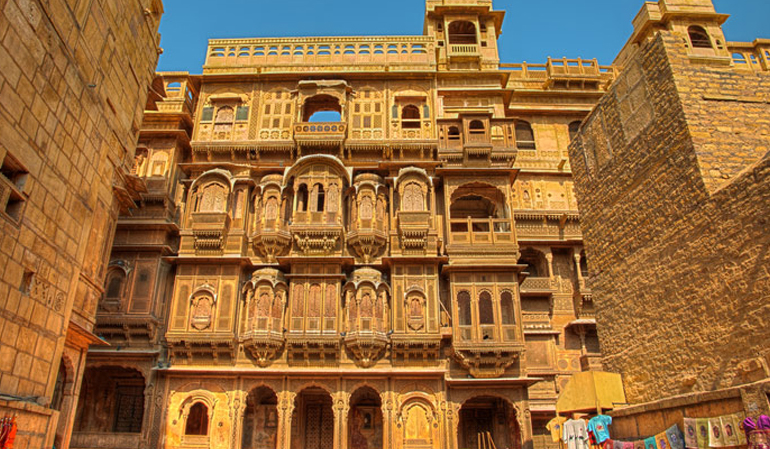
Though technically a haveli rather than a palace, Patwon Ki Haveli in Jaisalmer stands as a symbol of desert opulence. Built in the early 19th century, it consists of five mansions constructed by wealthy traders. Its sandstone carvings are among the finest in Rajasthan.
The haveli’s highlights include:
Exquisite Carvings: Detailed artistry on sandstone. Balconies, pillars, and arches showcase craftsmanship rarely seen elsewhere.
Heritage Museum: Preserving desert history. Exhibits depict local culture, lifestyle, and trade traditions.
Cultural Symbol: A reminder of Jaisalmer’s wealth. The haveli reflects the prosperity brought by caravan trade routes.
From Jaisalmer’s golden haveli, the journey continues toward the desert kingdom of Bikaner, where Junagarh Fort houses another magnificent palace.
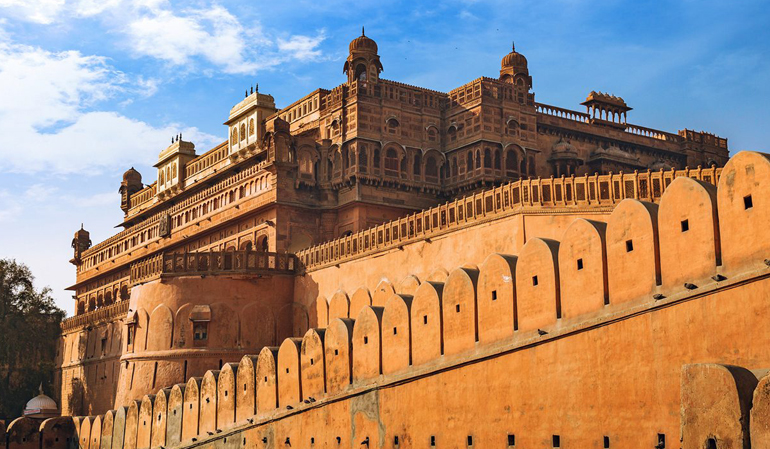
Junagarh Fort in Bikaner is unusual in that it was never conquered. Within its walls lies a collection of palaces that showcase Rajput grandeur. Built in the 16th century, it combines defensive strength with exquisite interiors.
Highlights of Junagarh include:
Unconquered History: A symbol of strength. Unlike many forts in Rajasthan, Junagarh remained undefeated.
Ornate Interiors: Gold work and mirror palaces. The Anup Mahal and Phool Mahal dazzle with decorative art.
Royal Collections: Preserved heritage. Armories, manuscripts, and thrones highlight Bikaner’s past.
From the strength of Bikaner, travelers are often drawn back to Jaipur to experience another gem, Hawa Mahal, the “Palace of Winds.”
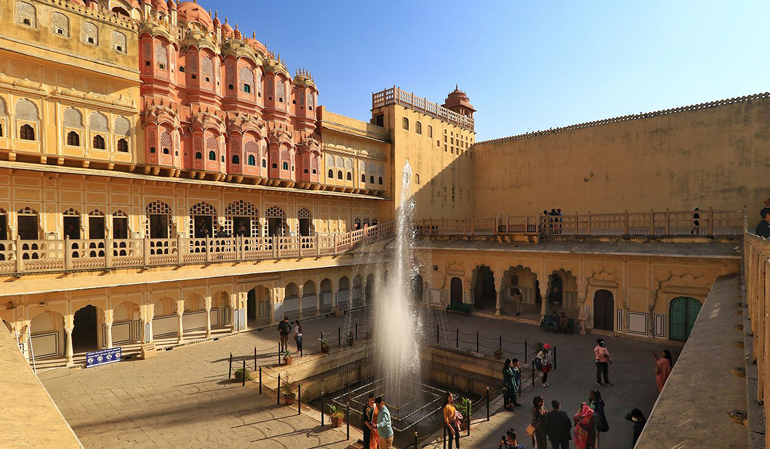
Hawa Mahal is Jaipur’s most iconic monument. Built in 1799, it features a façade with 953 small windows, designed so royal women could observe street festivals unseen. Its pink sandstone architecture has become a symbol of Rajasthan itself.
The palace’s main features include:
Unique Design: A honeycomb structure. The façade is both artistic and functional, keeping interiors cool.
Cultural Purpose: Privacy with visibility. The design reflects the traditions of the time.
City Views: A vantage point in Jaipur. The top floors provide sweeping views of the city.
From Jaipur’s breezy palace, the journey turns toward the Shekhawati region, home to Mandawa’s grand heritage palaces.
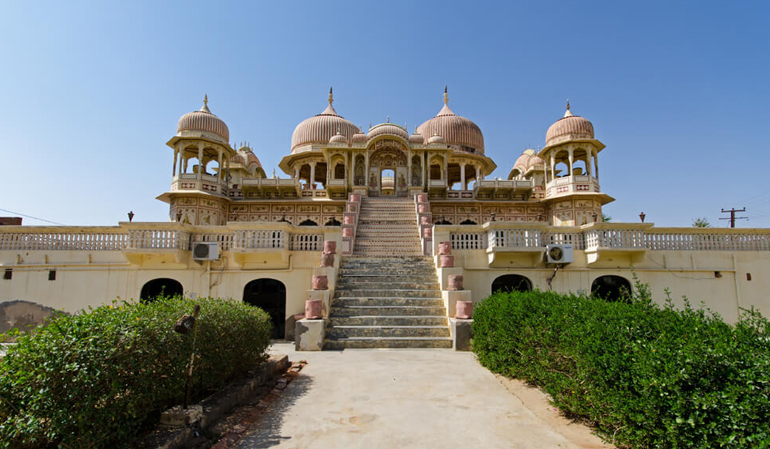
Hawa Mahal is Jaipur’s most iconic monument. Built in 1799, it features a façade with 953 small windows, designed so royal women could observe street festivals unseen. Its pink sandstone architecture has become a symbol of Rajasthan itself.
Highlights include:
Fresco Art: Stories painted on walls. The haveli’s murals depict mythological scenes, colonial influences, and everyday life.
Architectural Beauty: Courtyards and arches. The haveli blends local artistry with grand designs.
Cultural Heritage: A living museum. Walking through Mandawa feels like stepping back into Rajasthan’s mercantile history.
From Shekhawati’s colorful art, travelers are naturally drawn to Chittorgarh, home to one of Rajasthan’s grandest forts and palaces.
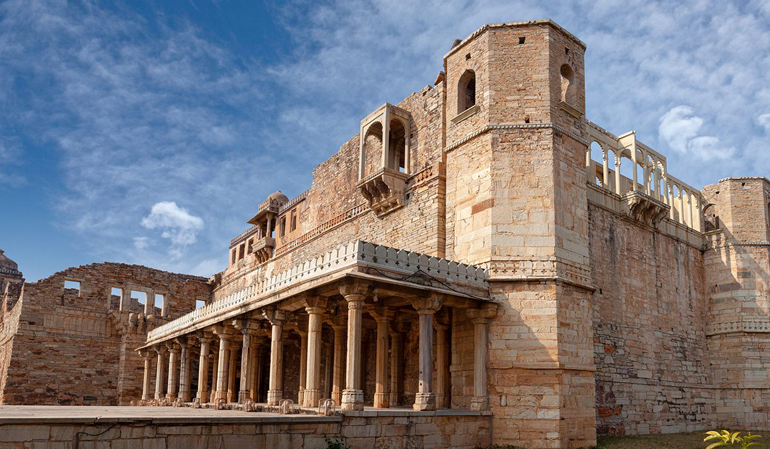
Located within Chittorgarh Fort, Rana Kumbha Palace is steeped in stories of valor and sacrifice. It is one of the largest palace complexes in Rajasthan and has witnessed dramatic episodes of Rajput history.
Key features include:
Historical Legacy: Tales of bravery. The palace is associated with Queen Padmini and the legendary jauhar.
Architectural Scale: Vast courtyards and halls. Its ruins still convey the grandeur of the past.
Cultural Memory: A site of pride. The palace remains an important symbol of Rajput honor.
From Chittorgarh, travelers often head south to Kumbhalgarh, where another royal residence sits inside a massive fort wall.
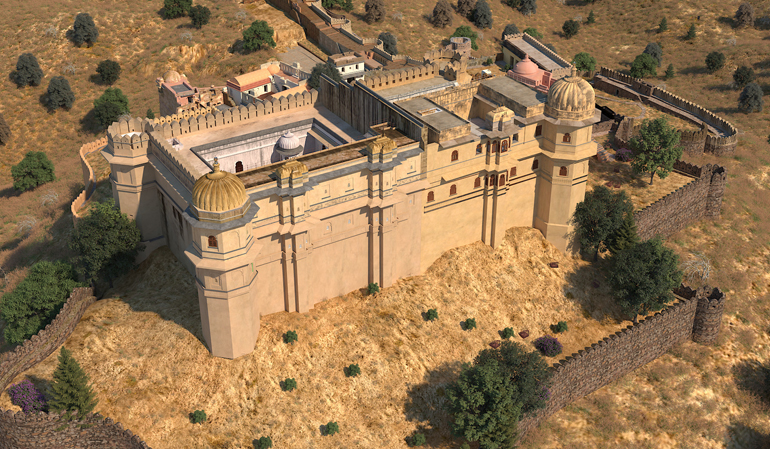
Kumbhalgarh Fort, with its 36 km wall, houses a palace perched on a hilltop. Built by Rana Kumbha in the 15th century, it is a striking example of defensive yet elegant architecture.
Highlights of Kumbhalgarh Palace include:
Strategic Location: A fortress on the Aravallis. The elevated site made it almost impenetrable.
Architectural Grandeur: Palatial structures within the fort. The Badal Mahal (Palace of Clouds) is especially famous.
Historical Role: A refuge for royalty. It served as a haven during invasions.
From Kumbhalgarh’s fortified heights, the journey naturally concludes at Deogarh Mahal, a lesser-known yet equally enchanting palace.
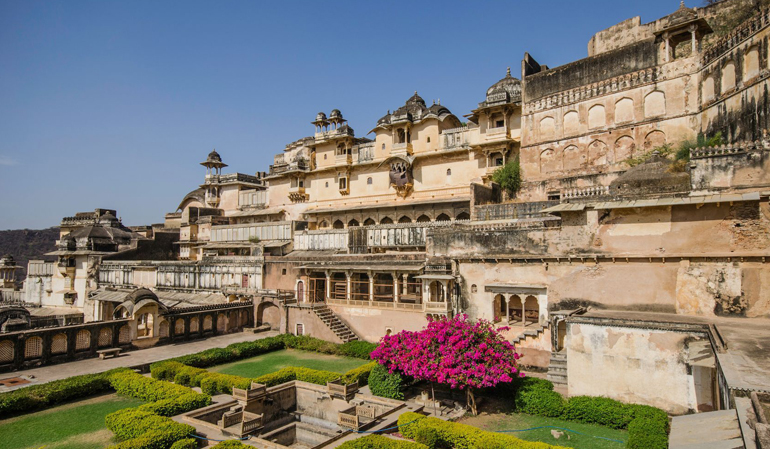
Located near Udaipur, Deogarh Mahal is a heritage palace turned hotel. Built in the 17th century, it offers a more intimate royal experience compared to Rajasthan’s larger palaces.
The highlights include:
Heritage Hospitality: Stay in royal suites. Guests can enjoy the luxury of living in a centuries-old palace.
Murals and Interiors: Rich artistry preserved. The palace walls are decorated with exquisite paintings.
Offbeat Charm: Away from crowds. Its location offers peace without losing authenticity.
Deogarh Mahal provides a perfect ending to a Rajasthan journey, charming, historical, and welcoming.
Travelers often struggle to plan Rajasthan itineraries due to the sheer number of palaces and cities. Deciding which ones to prioritize, arranging guided tours, and managing travel between destinations can be overwhelming. Without expert planning, it’s easy to miss key experiences.
Pari Tours and Travels simplifies this challenge with curated Rajasthan heritage tours. Their expertise ensures you see the best palaces while enjoying comfort and cultural depth.
Here’s how they help:
Tailored Itineraries: Focused on your interests. Whether you prefer iconic palaces or hidden gems, itineraries are customized for you.
Expert Guides: Bringing history alive. Knowledgeable guides share stories, legends, and insights beyond guidebooks.
Seamless Travel: Comfort across cities. From transport to accommodations, every detail is handled smoothly.
Cultural Additions: Experiences beyond sightseeing. Activities like folk performances or traditional meals add richness to your trip.
Pari Tours and Travels becomes your trusted companion, ensuring that every moment of your Rajasthan palace tour feels effortless and enriching.
Rajasthan’s royal palaces are living chapters of history. From Jaipur’s City Palace to the offbeat Deogarh Mahal, each site tells a story of power, artistry, and heritage. Exploring them is not just about sightseeing but about stepping into the grandeur of India’s royal past.
Pari Tours and Travels makes this experience seamless by designing itineraries that balance famous highlights with unique discoveries.
So, which palace calls to you first? Jaipur’s Hawa Mahal, Udaipur’s lakeside beauty, or Jaisalmer’s golden haveli? Whatever your answer, reach out to Pari Tours and Travels today and craft your royal journey across Rajasthan.
